How to sell your used car: the complete guide

Selling your car privately brings in 10 to 15% more, on average, than a dealer trade-in. The trade-off is well known: you do the seller's job yourself — valuation, photos, the listing, replies, test drives, paperwork. The good news is that every step follows simple, proven rules: a well-prepared listing finds a buyer in two to three weeks, while a rushed one sits for two months and then sells at a discount.
This guide walks through the full method, from the asking price to handing over the keys. It rests on three pillars: a price aligned with the real market, complete transparency about the car's condition, and a safe framework for both the test drive and the payment. Follow the steps in order — none of them is optional.
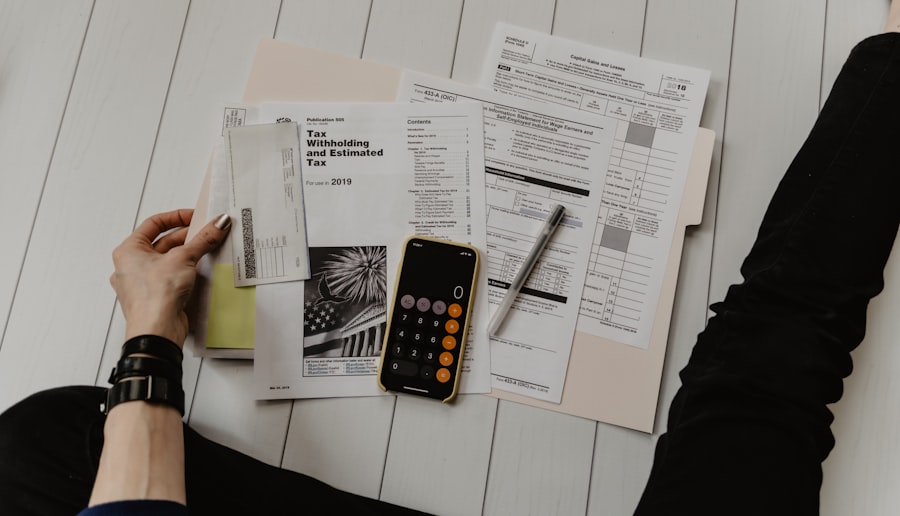
Price to the market, not to the memory
The right price comes neither from attachment nor from what you originally paid: it comes from comparable listings. Open the vehicles category and note three to five equivalent ads — same model, same year give or take one, mileage within 15,000 km, comparable trim. The median of those prices is your benchmark. Listing 5% below it doubles first-week contacts, and the first week decides everything: a fresh listing gets pushed forward, an ageing one turns invisible.
- Full service history: an up-to-date logbook and invoices add up to 10% of perceived value.
- Recent inspection (under six months old): one major objection removed.
- Negotiation margin: build 3 to 5% into the asking price, never more.
To go beyond a simple survey, our guide on setting the right price without underselling covers the full method, depreciation and seasonality included.
Prep the car like a professional
A full interior and exterior clean costs €40 to €80 and pays for itself several times over in the final price: a clean car looks maintained, and a maintained car looks reliable. Then fix the micro-flaws that cost under €50 each — a dead bulb, tired wiper blades, a missing hubcap. Every one of them, left as is, becomes a bargaining chip that will cost you ten times its repair price.
Finally, assemble the file: service logbook, invoices, inspection report, certificate that the car is free of finance, spare key. A seller who lays a complete file on the table cuts half the objections short before they are even raised.
Photos that reassure
The photo decides the click. Morning light, a neutral background — a wall, an empty car park — and about fifteen shots: the four exterior angles, front and rear interior, the odometer, the tyres, the boot, the logbook. Photograph the flaws too: a scratch shown in a photo never kills a sale, a scratch discovered on site does. Our guide to listing photos that sell lays out all seven rules.
A listing that answers before anyone asks
A good description always follows the same skeleton: year, mileage, trim, engine, service history, known flaws, reason for selling. A buyer who finds those seven answers in the listing contacts you to buy, not to interrogate. Then reply fast: on a marketplace, half of all sales are decided within the first 48 hours, and the built-in messaging timestamps every exchange — a real advantage if a dispute ever arises.

A framed test drive, then the negotiation
A test drive is prepared, not improvised: photograph the buyer's ID, check that your insurance covers lending the wheel, and always ride along. A short, mixed route — town streets then a stretch of fast road — is enough: fifteen minutes show everything a test drive can show.
- Let the buyer make the first offer — it often lands above your floor.
- Justify every euro you ask: the service file, the inspection report, recent tyres.
- Concede your 3 to 5% margin in one single move, in exchange for an immediate decision.
Secure the payment, then sell
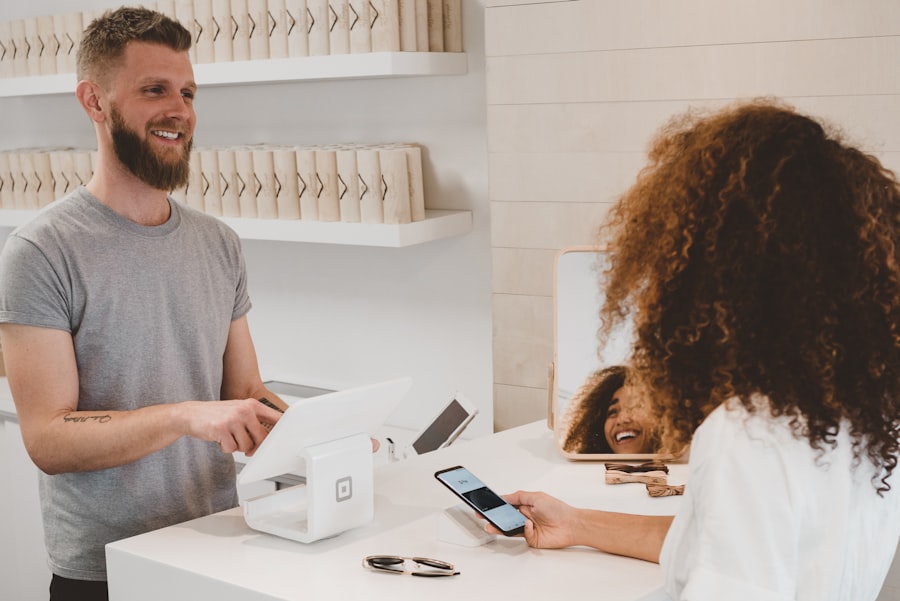
The last stretch is where the scams concentrate: never accept a deposit off-platform, nor a "pending transfer" shown on a screenshot. Protected payment settles the question — funds are held until the handover is confirmed, and a dispute can be opened if anything goes wrong; the exact mechanics are covered in our protected payment walkthrough. All that is left is to start: your listing takes ten minutes to write, so post it now and let the method work for you.