Selling second-hand clothes: what actually sells
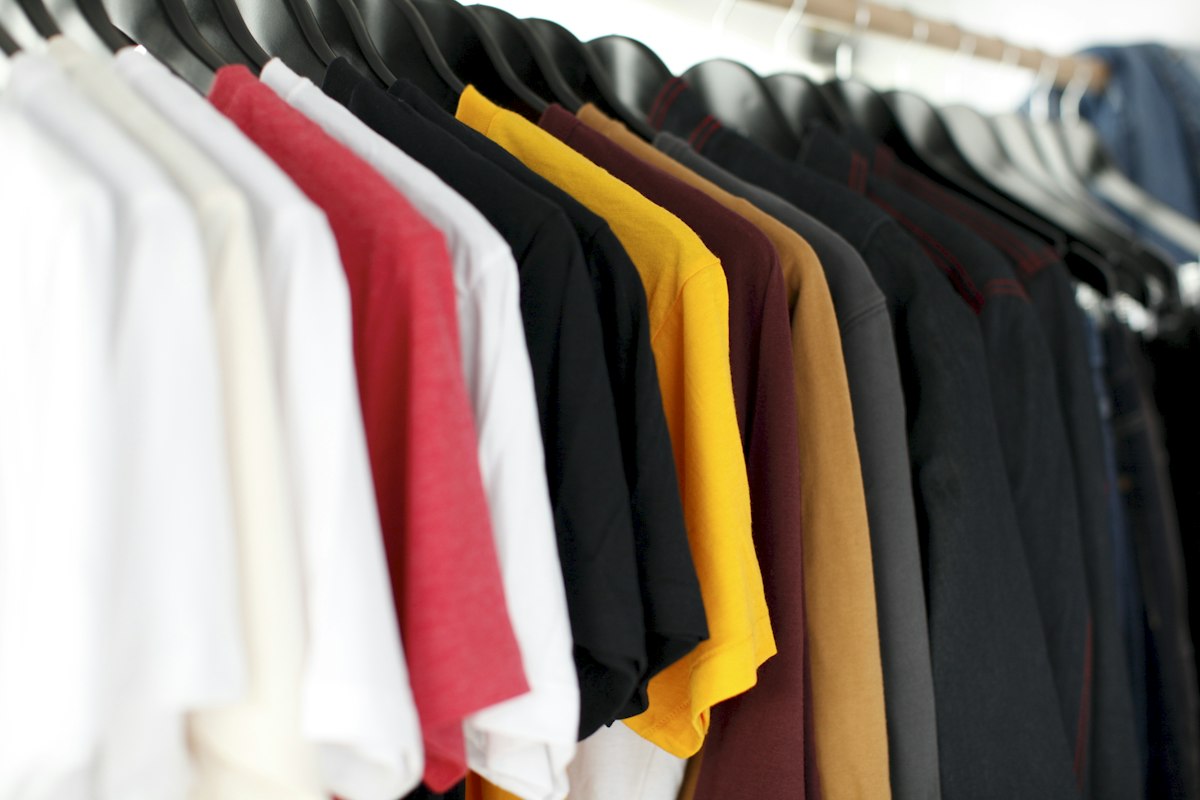
Every wardrobe gets sorted twice a year, and every sort reveals the same thing: half the pieces never get worn any more. Meanwhile, second-hand has become the first reflex of millions of fashion buyers. Good news for your closet — provided you know what actually sells, at what price, and at what time of the year.
Because not everything sells, and nothing sells the same way. A branded piece in good condition sells on its own, within days; an unbranded basic sells in a bundle, or not at all. This guide walks the whole chain: select, photograph, describe, ship — and pick the right season.
What actually sells (and what will stay)
Three families sell within days: recognised brands, timeless pieces (raw denim, a trench coat, a little black dress, a wool jumper) and the most common sizes, roughly S to L. Unbranded entry-level clothing, on the other hand, only finds a buyer as a bundle.
- A branded pair of jeans in very good condition: 25 to 40 € sold on its own.
- The fast-fashion equivalent: 3 to 5 € — or a bundle of ten tops for 20 €.
- Children’s clothes do very well grouped by age: “age 4 bundle, 12 pieces” beats twelve separate listings every time.
So make three piles: sell alone, sell as a bundle, give away. Then browse the fashion category to see where your pieces stand against this week’s competition.
Photos that make people want to try it on
In fashion, the photo is 80% of the decision. Wash and iron before shooting — a wrinkled jumper loses buyers, not creases. Show the piece worn or on a hanger, never balled up on a bed: the buyer must be able to imagine the cut and the drape.
- Daylight, close to a window, neutral background.
- Five photos minimum: front, back, brand label, fabric label, close-up of the material.
- Any flaw (pilling, a faint stain) gets its own dedicated photo: transparency prevents returns.
For the full technique — angles, light, the first photo that stops the scroll — follow our guide to listing photos that sell.

Measurements, fabric, price: a description that reassures
The size on the label is never enough: a size 38 from 2015 is not a size 38 from 2026. Give flat measurements, in centimetres:
- Tops: shoulders, chest (armpit to armpit), total length, sleeves.
- Bottoms: waist measured flat, inseam, total length.
State the exact fabric — that is what the composition label is for — and describe the condition in plain words: “worn five times”, “light pilling on the cuffs”. For the number itself, compare five equivalent listings and position yours by condition — the full method is in our guide to setting the right price. Fashion’s golden rule: better to sell at 12 € this week than to hope for 18 € for three months, because a garment’s value never goes back up.
Pack and ship like a pro
Selling at a distance multiplies your potential buyers — provided the parcel arrives well. Weigh the packed piece before publishing, so you can quote fair shipping costs: an overpriced parcel scares buyers away at the moment of paying.
Fold with care, slip in a thank-you note: thirty seconds of attention turn into positive reviews that will sell your next pieces for you. Secure payment holds the funds until the buyer confirms reception: ship with tracking, keep the drop-off receipt, and the money is released without argument. The whole logistics side — envelopes, boxes, drop-off points — is covered in our guide to packing and shipping a sale.


Play the seasons (and the bundles)
Seasonal demand accounts for up to 30% of the price. Sell coats and boots in October, light dresses in April, party outfits in late November. A coat listed in June will sleep for four months and end up buried — relist it at the right moment and it sells within a week.
Finally, group what is left into coherent bundles — same size, same style — rather than discounting piece by piece: a bundle saves everyone time and empties the closet in one go.
The rack is sorted, the photos are ready? Post your first fashion listing — a well-presented piece today is a confirmed sale before the weekend.